It started as a coincidence. It became a superstition. Now, it's an iconic dossard.
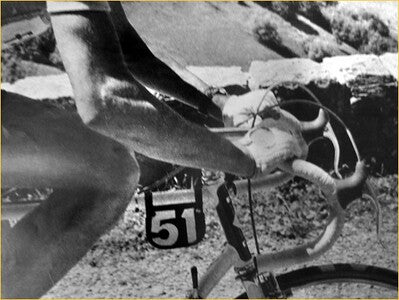
In Tour de France history, one number carries more weight than any other. It began in 1969, when Eddy Merckx pinned number 51 to his jersey and decimated the field to take his first yellow jersey. It happened again in 1973, when Luis Ocaña wore it. Again in 1975 with Bernard Thévenet and in 1978 with Bernard Hinault. For a decade, dossard 51 was a prophecy, representing the threshold where suffering turns into victory.
We felt that was the right attitude for our brand.
THE STORY OF NUMBER 51
It started as a coincidence. It became a superstition. Now, it's an iconic dossard.
In Tour de France history, one number carries more weight than any other. It began in 1969, when Eddy Merckx pinned number 51 to his jersey and decimated the field to take his first yellow jersey. It happened again in 1973, when Luis Ocaña wore it. Again in 1975 with Bernard Thévenet and in 1978 with Bernard Hinault. For a decade, dossard 51 was a prophecy, representing the threshold where suffering turns into victory.
We felt that was the right attitude for our brand.
NOT JEWELRY. IDENTITY.
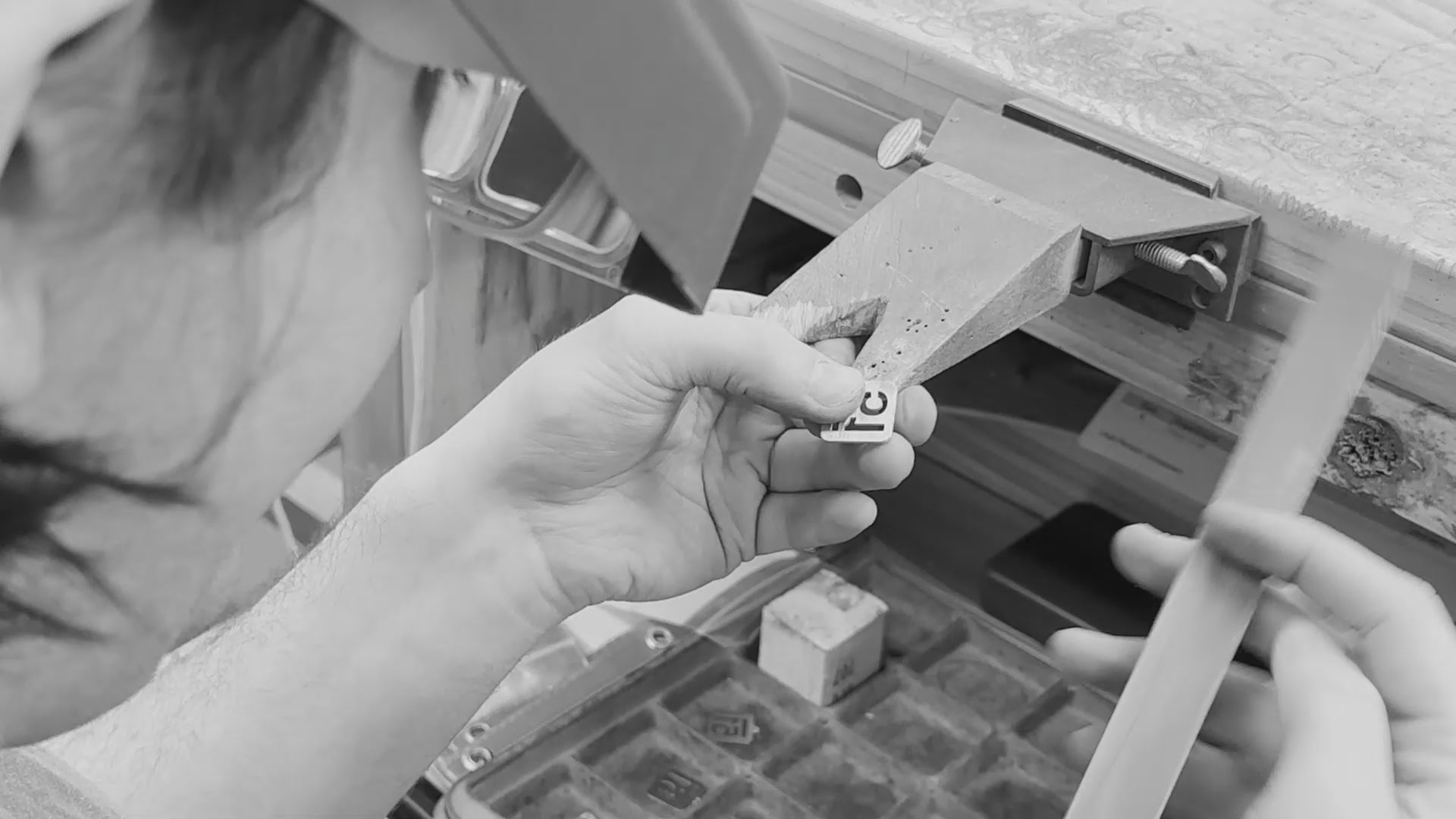
Studio 51 is a small atelier based in Rhode Island, run by passionate cyclists. We do not make souvenirs. We forge artifacts for the initiated. Our pieces are inspired by the mechanical precision of the components we trust with our lives: the click of a cleat, the tension of a chain, the silence of a perfectly tuned machine. And by good luck, it brought so many riders in the past.
You earn the miles. We provide the mark.
Welcome to Studio 51.
NOT JEWELRY. IDENTITY.
Studio 51 is a small atelier based in Rhode Island, run by passionate cyclists. We do not make souvenirs. We forge artifacts for the initiated. Our pieces are inspired by the mechanical precision of the components we trust with our lives: the click of a cleat, the tension of a chain, the silence of a perfectly tuned machine. And by good luck, it brought so many riders in the past.